

Los Angeles Restaurants Face Growing Grease Trap & Interceptor Maintenance Challenges Across Local Communities

logo of los angeles grease trap cleaning
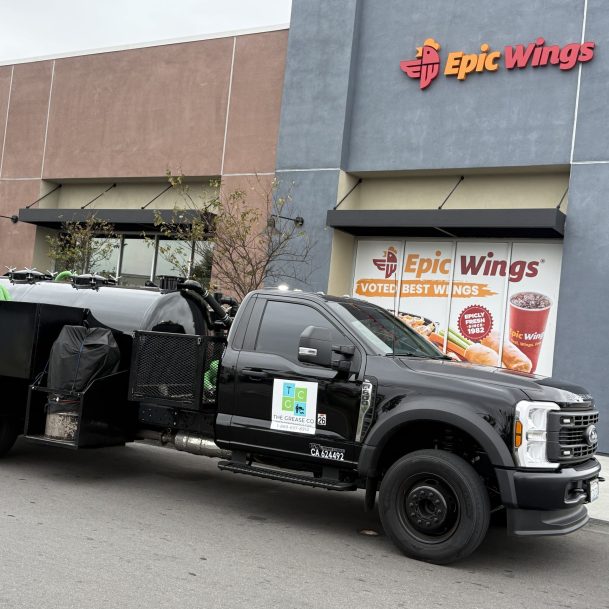
Los Angeles grease trap pumping truck for commercial restaurant grease removal
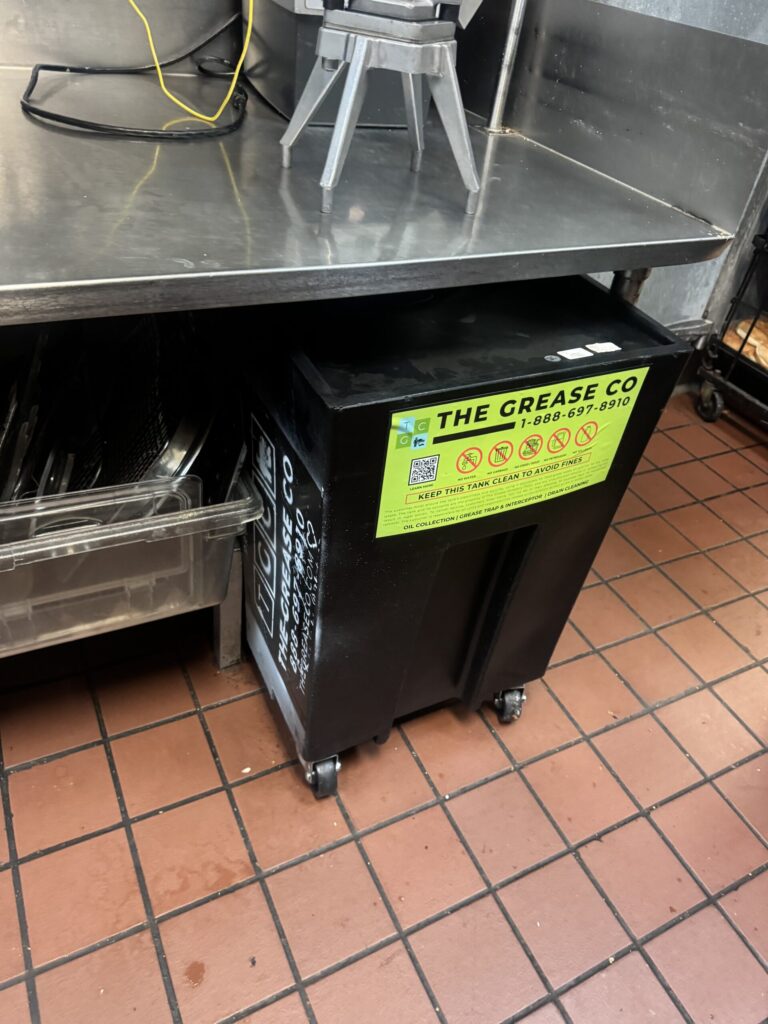
Indoor grease trap installed beneath a restaurant kitchen sink
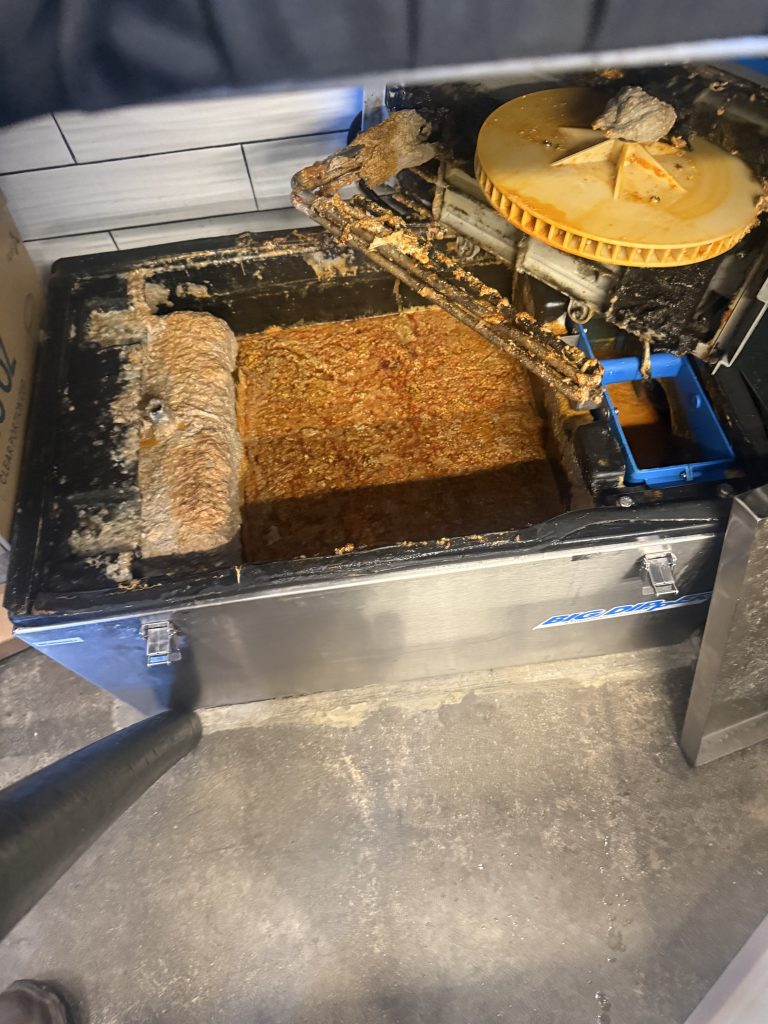
Overflowing grease trap caused by accumulated grease and food solids
Commercial grease traps and grease interceptors are designed to capture fats, oils, and grease before these materials enter a restaurant’s plumbing and wastewater system. As greasy wastewater flows through the baffle structure, the flow is slowed so that grease and other lighter materials can separate from the water. The retained grease remains inside the trap or interceptor while the treated wastewater continues toward the sewer system. Smaller grease traps are commonly installed closer to kitchen fixtures such as the sink, while larger grease interceptors can handle greater wastewater volumes and are often located outside commercial buildings, commonly underground. The size, design, location, and maintenance requirements can vary depending on the restaurant’s kitchen operations and local FOG control requirements. In busy Los Angeles restaurants, these systems may receive grease from dishwashing, food preparation, fryer operations, and other daily activities. Over time, accumulated FOG can reduce the available capacity inside the equipment and interfere with normal flow. Regular inspection of the grease recovery device, thorough cleaning, and maintenance help keep grease traps and interceptors functioning properly and reduce the risk of backups, odors, and drain overflows.
A grease trap overflow occurs when accumulated fats, oils, grease, and food solids fill the available capacity of a trap or interceptor and wastewater can no longer pass through the system properly. As the equipment becomes overloaded, wastewater may back up through kitchen drains, spill from access points, or overflow into areas around the restaurant. Several factors can contribute to this problem, including excessive grease entering the system, heavy kitchen usage, solid food debris, inadequate pumping, missed maintenance, or equipment that is damaged or incorrectly sized. The consequences can be serious for commercial food businesses. A severe grease interceptor overflow can spread foul-smelling wastewater and grease across kitchen floors, create slippery surfaces, interfere with food preparation, damage surrounding property, and force a restaurant to stop operating while cleanup takes place. Grease entering exterior drainage areas can also create additional environmental and wastewater concerns. For busy Los Angeles restaurants, preventing an overflow is therefore an important part of maintaining safe, sanitary, and uninterrupted commercial kitchen operations.
There are many other grease trap problems that can affect restaurant operations even when wastewater has not yet reached the point of overflowing. Excessive grease buildup can reduce the working capacity of the trap, slow drainage, and create persistent foul odors around kitchen fixtures or exterior access points. Hardened grease and accumulated food solids can also make routine pumping more difficult and place additional strain on the plumbing system. Damaged baffles, cracked tanks, deteriorated covers, broken inlet or outlet pipes, and poorly sealed connections can further reduce the effectiveness of a grease trap or interceptor. In some cases, aging equipment may develop structural problems that allow wastewater or grease to escape before it is properly separated. These issues can create unpleasant conditions for employees, affect the appearance of restaurant premises, and require unexpected maintenance that interrupts normal kitchen activities. Restaurants may also face repeated drainage problems when an underlying equipment defect is not addressed during routine cleaning. When inspection identifies damaged or malfunctioning components, timely grease trap repair can help restore proper operation and prevent a relatively small equipment problem from developing into a more disruptive plumbing or sanitation issue.
Los Angeles restaurants must manage fats, oils, and grease (FOG) under requirements established by local sewer and public health authorities. In the City of Los Angeles, LA Sanitation & Environment administers the FOG Control Program under Los Angeles Municipal Code Section 64.30. Food service establishments that generate grease must follow Best Management Practices and, where required, install, operate, and maintain approved grease removal devices. Los Angeles County Public Works also operates an Industrial Waste FOG Program for applicable areas, requiring pretreatment systems where grease discharges could cause sewer blockages or interfere with wastewater treatment. County Public Health guidance further requires restaurants to initiate timely grease trap and grease interceptor services before the grease situation gets out of hand. These requirements may vary by jurisdiction and facility, restaurant operators should review applicable local rules and maintain their equipment properly. Authorities recommend appropriate professional support for grease-management solutions, particularly when specialized cleaning, maintenance, or compliance work is needed.
Hiring a professional grease trap cleaner can help commercial kitchens maintain reliable drainage, cleaner work areas, and properly functioning grease removal equipment. Licensed commercial grease trap pumping experts have the equipment and experience to remove accumulated grease and solids from traps and interceptors more thoroughly than routine kitchen cleaning can accomplish. They can also identify conditions such as excessive buildup, damaged components, difficult access, or unusual odors that may require additional attention. They also help restaurant operators to maintain service records that can help demonstrate that grease management tasks are being performed consistently. For food businesses operating under local FOG requirements, professional grease trap and interceptor maintenance can simplify routine management while helping protect plumbing and wastewater systems. A qualified grease management company can also coordinate cleaning schedules around the restaurant’s operating needs, reducing disruption to daily kitchen activities.
Los Angeles grease trap cleaning experts suggests that restaurant owners should pay close attention to the condition and performance of their grease removal equipment between scheduled cleanings. “Restaurant owners should treat grease trap maintenance as an ongoing responsibility. Watching for early warning signs and keeping kitchen practices consistent can help prevent avoidable problems.” Restaurant managers should monitor changes in drainage, unusual odors, repeated plumbing issues, or visible grease around trap access points and report these signs before they become more serious. Kitchen employees should also understand which materials should never enter sinks or floor drains, particularly cooking grease, oils, and food solids that can contribute to buildup. Owners should keep the area around grease traps accessible so technicians can inspect the equipment without unnecessary delays. When cooking volume increases, new fryers are added, or operating hours change, the restaurant should review whether its existing cleaning frequency remains appropriate. Maintaining clear service records can also help managers identify patterns in grease accumulation and communicate useful information to their cleaning provider during future maintenance visits.
Manager
Los Angeles Grease Trap Cleaning
+1 (888) 789-1090
webmaster@thegreasecompany.com
Visit us on social media:
Instagram
Facebook
YouTube
Legal Disclaimer:
EIN Presswire provides this news content "as is" without warranty of any kind. We do not accept any responsibility or liability for the accuracy, content, images, videos, licenses, completeness, legality, or reliability of the information contained in this article. If you have any complaints or copyright issues related to this article, kindly contact the author above.
