

Saudi housing platform adds global perspective to U.S. debate on housing accountability

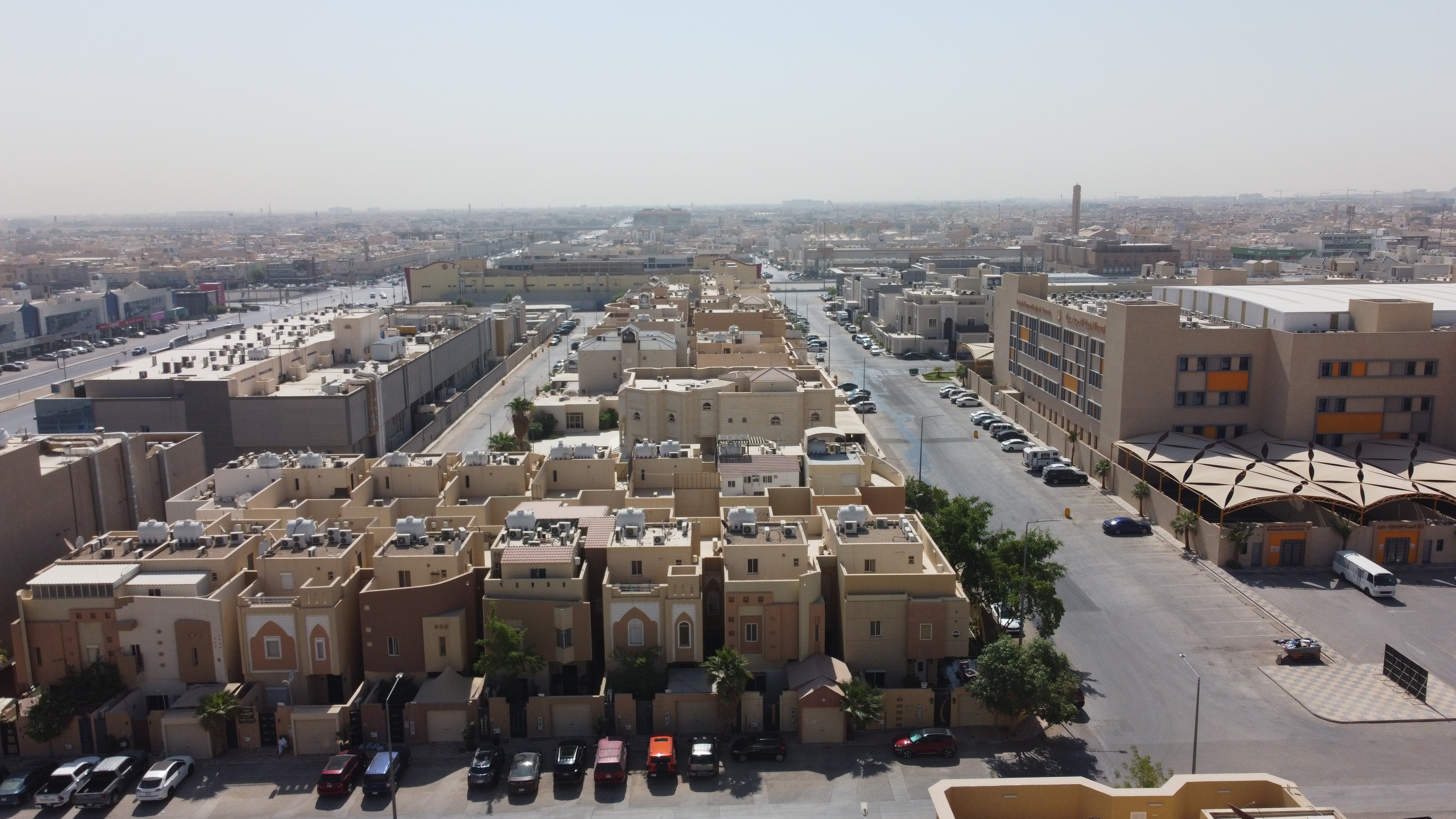
As housing pressure and scrutiny around charitable transparency remain high in the US, Jood Eskan highlights a structured model built around policy clarity.
RIYADH, SAUDI ARABIA, April 9, 2026 /EINPresswire.com/ -- Jood Eskan, the Saudi housing support platform affiliated with the Housing Developmental Foundation (SAKAN), is highlighting a structured operating framework for charitable housing assistance at a time when housing pressure and accountability in support systems remain central concerns in the United States. HUD’s most recent national reports show both record homelessness and persistently elevated worst-case housing needs among low-income renters, underscoring the broader relevance of how housing support is designed, governed, and communicated.At the center of Jood Eskan’s model is a published contribution policy that distinguishes between zakat and non-zakat contributions, reflecting the different requirements attached to each giving stream. According to the platform’s published policy, up to 7% of non-zakat contributions may be deducted, when needed and subject to approval by the relevant committees, to cover platform and partner costs. The policy frames those deductions as a defined operating rule rather than a general statement about efficiency.
That distinction matters in a wider environment where charitable and social-support platforms are under growing pressure to show not only what they raise, but how funds are governed. In the United States, where this discussion is also being framed for Business Insider-oriented media outreach, donor-trust research from BBB Wise Giving Alliance shows that transparency around spending, truthful appeals, and protection of donor information rank among the public’s top accountability concerns.
Jood Eskan positions its contribution policy within a broader operating model that also includes privacy-related commitments covering data handling and disclosure controls. As digital platforms play a larger role in organizing charitable and social support systems, the importance of policy clarity and privacy safeguards is becoming more central to how those systems are judged.
The platform also presents digital coordination as part of its accountability architecture. Rather than treating housing assistance as an informal flow of contributions, the model ties support delivery to defined processes, institutional rules, and a clearer governance structure. In that sense, Jood Eskan is not only describing a housing-support mechanism, but also a framework for how charitable assistance can be made more structured and more legible to donors, partners, and beneficiaries.
The broader significance of that approach extends beyond Saudi Arabia. In the U.S., where housing need remains high and public confidence in charities depends heavily on clarity around spending and data protection, examples of structured charitable housing support may carry wider relevance. Jood Eskan’s published framework adds one such example to the ongoing conversation about how support systems can communicate accountability more clearly while operating at scale.
-
-
email us here
Legal Disclaimer:
EIN Presswire provides this news content "as is" without warranty of any kind. We do not accept any responsibility or liability for the accuracy, content, images, videos, licenses, completeness, legality, or reliability of the information contained in this article. If you have any complaints or copyright issues related to this article, kindly contact the author above.
