

New Dementia Care Models Released by Village Green Community
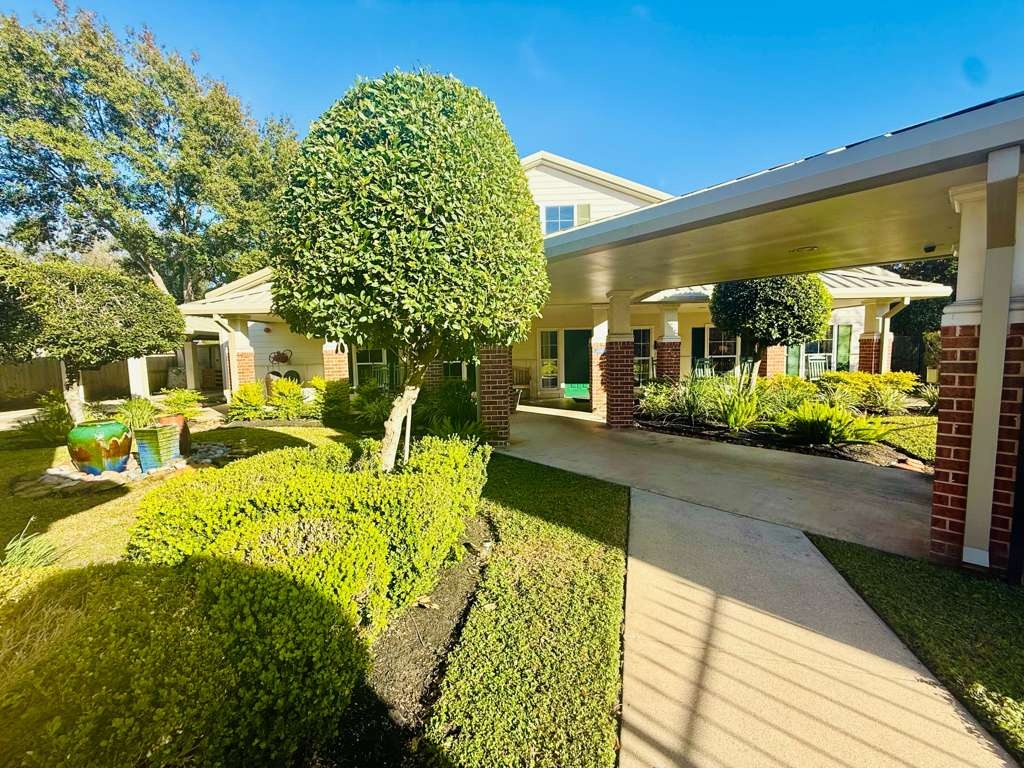
Memory care facility in Spring, TX

Dementia Care Home in Rockwall
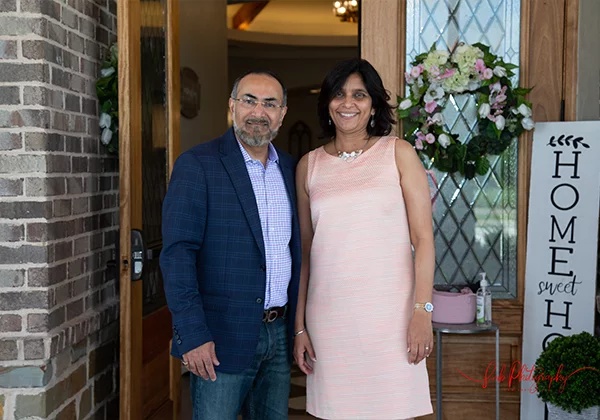
Rockwall Dementia Support

Alzheimer’s Care Cottage of Spring Branch
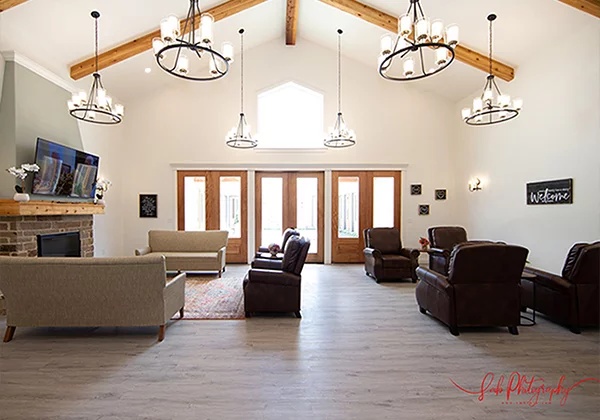
assisted living rockwall tx.
Village Green shares insights on care planning, safety, and staffing in dementia-focused homes amid rising awareness in North Texas.
HIGHLAND VILLAGE, SACHSE, ROCKWALL , TX, UNITED STATES, April 10, 2026 /EINPresswire.com/ -- Village Green Memory Care Community has released an expanded overview of its residential dementia support framework in response to increased public attention surrounding senior dementia care in Highland Village, the structure of an Alzheimer’s Care Home in Rockwall, and the role of memory care for seniors in Sachse. The information outlines operational practices, care planning approaches, staffing models, and safety considerations associated with dementia-focused residential environments across North Texas.This release provides a detailed and objective explanation of how memory-focused residential care is structured, how it differs from other senior living models, and how these environments contribute to a broader continuum of care for individuals experiencing cognitive decline. The content is intended to support families, referral professionals, and community stakeholders in understanding the evolving landscape of dementia care services.
Regional Context of Dementia Care in North Texas
North Texas continues to experience demographic growth, including an increasing population of older adults. As the prevalence of Alzheimer’s disease and related dementias rises, demand for structured residential care environments has also expanded. Communities such as Highland Village, Rockwall, and Sachse are part of a regional network where families are actively evaluating care options based on cognitive needs, safety considerations, and long-term planning.
Senior dementia care in Highland Village is often discussed within the broader framework of community-based aging support, where residential care environments coexist with healthcare providers, family caregivers, and local engagement programs. Similarly, an Alzheimer’s Care Home in Rockwall represents a specialized residential model designed to support individuals with more advanced cognitive impairment. Memory care for seniors in Sachse reflects another segment of this continuum, focusing on structured supervision and individualized care planning.
These regional variations illustrate how dementia care services are distributed across multiple municipalities, each contributing to a comprehensive support network for aging populations.
Understanding Senior Dementia Care in Highland Village
Senior dementia care in Highland Village refers to residential environments and support systems designed to meet the needs of individuals experiencing cognitive decline. These environments are structured to provide assistance with daily activities while incorporating safety measures and cognitive support strategies.
Typical components of dementia-focused residential care include:
• Assistance with personal care tasks
• Medication management and monitoring
• Structured daily routines
• Cognitive engagement activities
• Supervised living environments
• Coordination with healthcare providers
The goal of such environments is to create stability and predictability for residents. Dementia can affect memory, judgment, and orientation, making routine an essential component of care. By maintaining consistent schedules and familiar surroundings, residential providers aim to reduce confusion and support emotional well-being.
In Highland Village, dementia care is often considered alongside other local resources, forming part of a broader ecosystem that supports aging individuals through different stages of cognitive change.
Structure and Function of an Alzheimer’s Care Home in Rockwall
An Alzheimer’s Care Home in Rockwall typically represents a more specialized level of residential care. These environments are designed specifically for individuals diagnosed with Alzheimer’s disease or related dementias, particularly in moderate to advanced stages.
Key features of these settings often include:
• Secured perimeters to prevent wandering
• Continuous supervision by trained staff
• Environmental modifications to reduce disorientation
• Behavior management strategies tailored to dementia symptoms
• Individualized care plans that evolve with disease progression
Dementia-related conditions can lead to behaviors such as agitation, confusion, and sleep disturbances. Staff in Alzheimer’s-focused residential environments are trained to respond using non-pharmacological techniques, including redirection and structured engagement.
The design of these homes often incorporates safety features such as simplified layouts, clearly marked spaces, and monitored access points. These measures are intended to minimize risk while maintaining a residential atmosphere.
Although the term “care home” may suggest a clinical setting, many Alzheimer’s care environments are structured to resemble residential homes while still providing necessary supervision and support.
Memory Care for Seniors in Sachse: A Structured Residential Approach
Memory care for seniors in Sachse reflects a structured approach to supporting individuals with cognitive impairment. These residential environments focus on providing consistent supervision, individualized care, and therapeutic engagement.
Care planning typically begins with a comprehensive assessment that evaluates:
• Cognitive status
• Physical health
• Mobility and fall risk
• Nutritional needs
• Behavioral history
• Medication requirements
Based on this assessment, a personalized care plan is developed. This plan outlines daily support needs and is regularly updated as the resident’s condition evolves.
Memory care environments in Sachse often emphasize smaller group settings to facilitate individualized attention. Activities are tailored to cognitive ability and may include sensory stimulation, music-based engagement, and guided social interaction.
The structured nature of these environments helps maintain routine while accommodating the progressive nature of dementia.
Distinguishing Dementia Care from Other Senior Living Models
Dementia-focused residential care differs from general senior living models in several key ways. While independent living and general assisted living environments support older adults with varying levels of independence, memory care environments are specifically designed for individuals with cognitive impairment.
Senior dementia care in Highland Village and similar services across Texas incorporate enhanced supervision, secured environments, and specialized staff training. These elements are not typically present in general senior housing models.
An Alzheimer’s Care Home in Rockwall, for example, is structured to address the unique challenges associated with dementia, including wandering and impaired judgment. Memory care for seniors in Sachse similarly focuses on safety, routine, and cognitive support.
Understanding these distinctions is essential for families evaluating appropriate care options.
Staffing Models and Training in Dementia Care
Staffing plays a critical role in the effectiveness of dementia-focused residential care. Team members in these environments typically receive specialized training in:
• Dementia communication techniques
• Behavioral symptom management
• Fall prevention and mobility assistance
• Emergency response procedures
• Medication administration
The level of supervision in memory care environments is generally higher than in other senior living settings. Continuous monitoring helps ensure resident safety and allows staff to respond promptly to changes in behavior or health.
Residential dementia care providers often coordinate with external healthcare professionals, including physicians, therapists, and hospice providers. This collaboration supports comprehensive care without requiring the facility to operate as a medical institution.
Access to clinical oversight, such as nursing support, may be available on a scheduled or on-call basis. However, these environments are distinct from skilled nursing facilities, which provide higher levels of medical treatment.
Daily Structure and Therapeutic Programming
Routine is a foundational element of dementia care. Structured daily schedules help reduce anxiety and provide a sense of familiarity for residents.
Common components of daily programming include:
• Morning orientation sessions
• Light physical activity
• Music and art-based engagement
• Reminiscence therapy
• Sensory stimulation exercises
• Guided social interaction
Memory care for seniors in Sachse often emphasizes individualized participation. Activities are adapted to residents’ cognitive abilities to ensure engagement without causing frustration.
In an Alzheimer’s Care Home in Rockwall, programming may be designed to address specific behavioral symptoms, such as restlessness or agitation. Structured engagement can help reduce these symptoms by providing purposeful activity.
Senior dementia care in Highland Village also incorporates routine as a stabilizing factor, supporting both cognitive function and emotional well-being.
Safety Measures and Environmental Design
Safety considerations are central to dementia care. Cognitive impairment can increase the risk of wandering, falls, and other safety concerns.
Residential environments addressing these risks typically include:
• Secured entry and exit points
• Continuous supervision
• Fall prevention measures
• Medication tracking systems
• Simplified layouts to reduce confusion
Environmental design plays a significant role in reducing stress and disorientation. Features such as clear signage, consistent lighting, and uncluttered spaces are commonly used in dementia-focused settings.
An Alzheimer’s Care Home in Rockwall and memory care for seniors in Sachse may incorporate similar design principles to enhance safety and comfort.
Family Involvement and Communication
Families remain an integral part of the dementia care process. Residential providers often maintain regular communication with family members through:
• Care planning meetings
• Routine updates on health and behavior
• Notifications of significant changes
• Opportunities for involvement in activities
Transitioning to residential care can be emotionally complex. Educational resources are often provided to help families understand dementia progression and available support options.
Senior dementia care in Highland Village emphasizes collaboration between staff and families to ensure that care plans align with resident needs and preferences.
Regulatory Oversight and Ethical Considerations
Residential dementia care providers operate under state regulations that govern staffing, safety, and resident rights. Compliance with these regulations is essential to maintaining operational standards.
Key areas of oversight include:
• Staff qualifications and training
• Medication management protocols
• Emergency preparedness
• Documentation and reporting
• Resident privacy and dignity
Ethical considerations in dementia care include respect for autonomy, informed consent, and protection of vulnerable individuals. As cognitive capacity declines, decision-making responsibilities may shift to designated representatives.
Transparency regarding services and limitations of care is critical to maintaining trust and regulatory compliance.
Community Integration and Regional Coordination
Dementia care services are part of a broader healthcare ecosystem that includes hospitals, outpatient providers, rehabilitation services, and community organizations.
Senior dementia care in Highland Village often operates alongside local healthcare resources and community programs. Similarly, an Alzheimer’s Care Home in Rockwall may coordinate with physicians and specialists who provide ongoing medical oversight.
Memory care for seniors in Sachse may involve collaboration with pharmacies, therapy providers, and hospice services. These partnerships support continuity of care while allowing residents to remain in a residential setting.
Regional coordination helps ensure that individuals receive appropriate support as their needs evolve.
Planning Considerations for Long-Term Dementia Care
Selecting a residential care environment involves evaluating multiple factors, including:
• Stage of cognitive impairment
• Physical health and mobility
• Safety concerns
• Financial considerations
• Location and accessibility
Early planning allows families to explore options and make informed decisions. Waiting until a crisis occurs can limit available choices and increase stress.
Senior dementia care in Highland Village, an Alzheimer’s Care Home in Rockwall, and memory care for seniors in Sachse represent different points along the continuum of care. Understanding how these services differ can help families identify the most appropriate setting.
Ongoing Developments in Dementia Care Services
Dementia care continues to evolve as research advances and population needs change. Providers are increasingly focusing on person-centered care models, environmental design improvements, and staff training enhancements.
Technology is also playing a role, with systems for medication management, fall detection, and communication becoming more common.
As demand for memory care services grows, communities across Texas are adapting to provide structured, safe, and supportive environments for individuals living with cognitive impairment.
About Village Green Memory Care Community
Village Green Memory Care Community is a residential provider specializing in dementia-focused support for older adults in Texas. The organization operates structured memory care environments designed for individuals living with Alzheimer’s disease and related dementias. Services include individualized care planning, secured residential layouts, structured daily programming, and coordination with external healthcare providers. The community maintains access to clinical oversight and emphasizes safety, supervision, and regulatory compliance within its residential care model.
Zahra Sabir
Village Green Alzheimers Care
+1 281-208-5876
info@villagegreenalzheimerscare.com
Visit us on social media:
LinkedIn
Instagram
Facebook
Legal Disclaimer:
EIN Presswire provides this news content "as is" without warranty of any kind. We do not accept any responsibility or liability for the accuracy, content, images, videos, licenses, completeness, legality, or reliability of the information contained in this article. If you have any complaints or copyright issues related to this article, kindly contact the author above.
