

My Textile Fabric Expands Premium Satin, Velvet & Chiffon Range
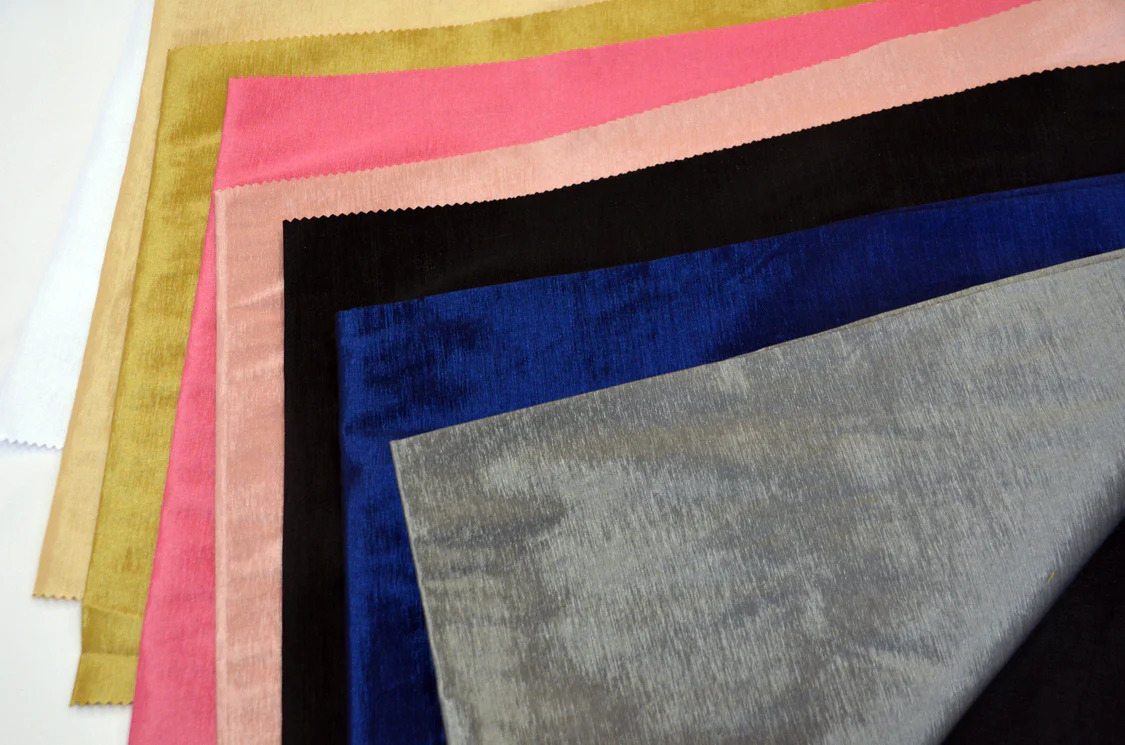
Stretch Taffeta Fabric
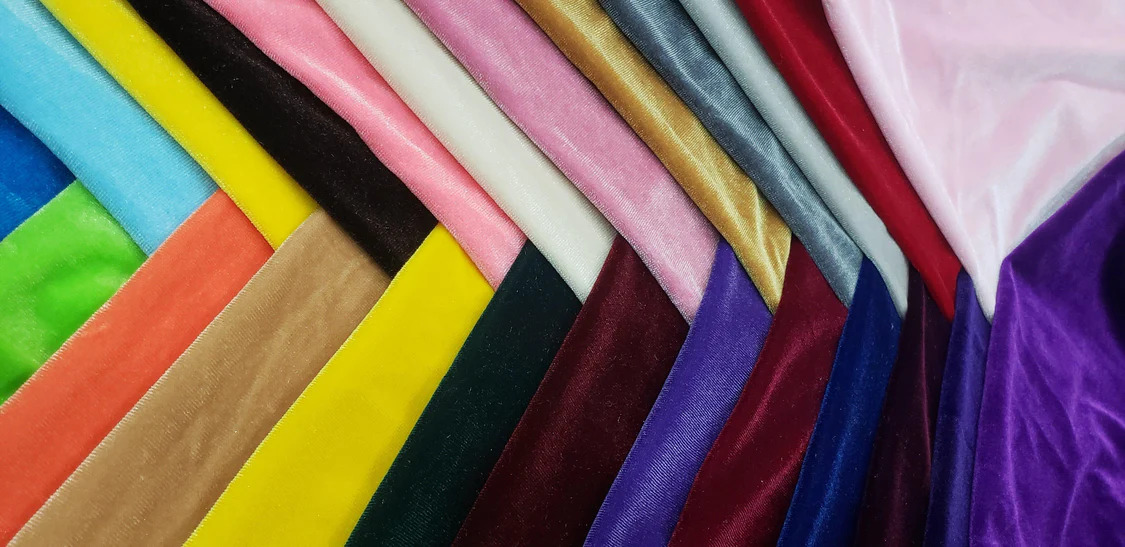
Soft and Plush Stretch Velvet Fabric
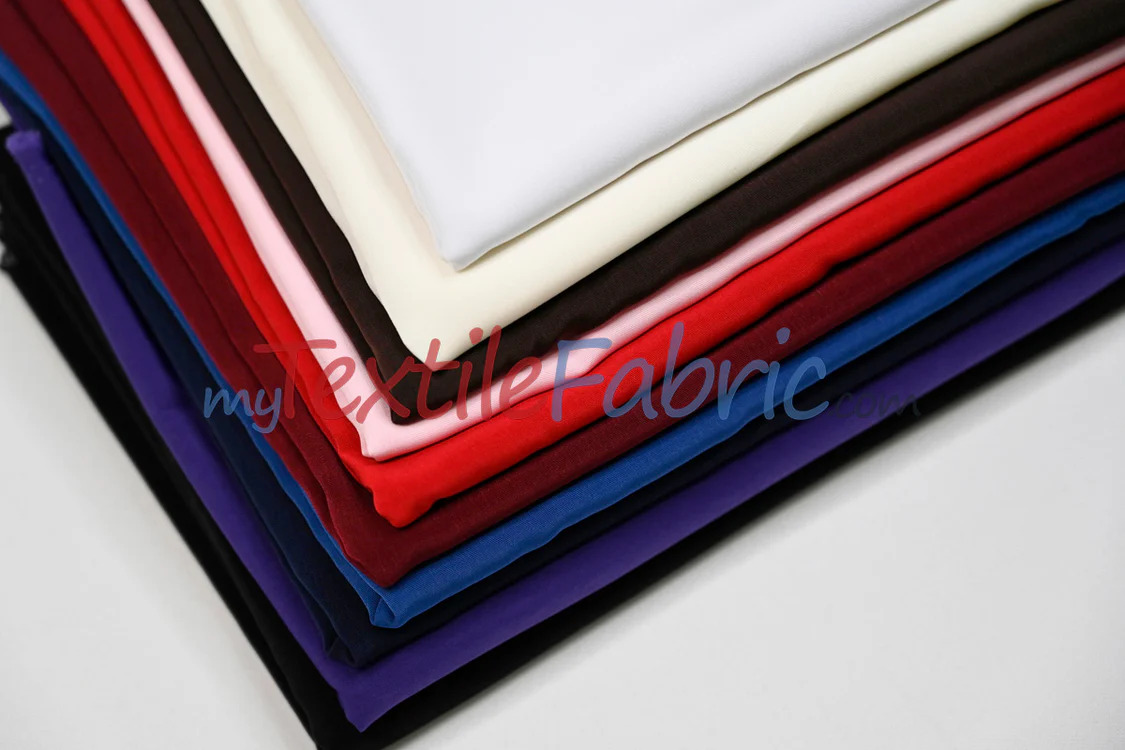
Peachskin Fabric
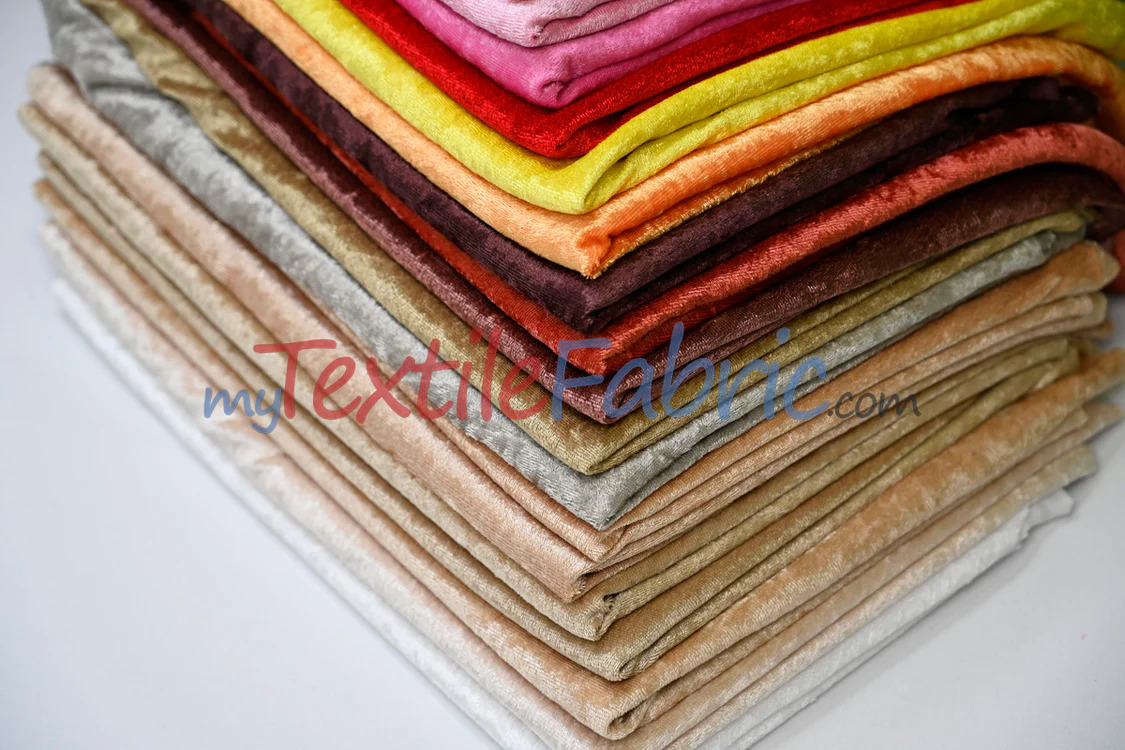
Panne Velvet Fabric
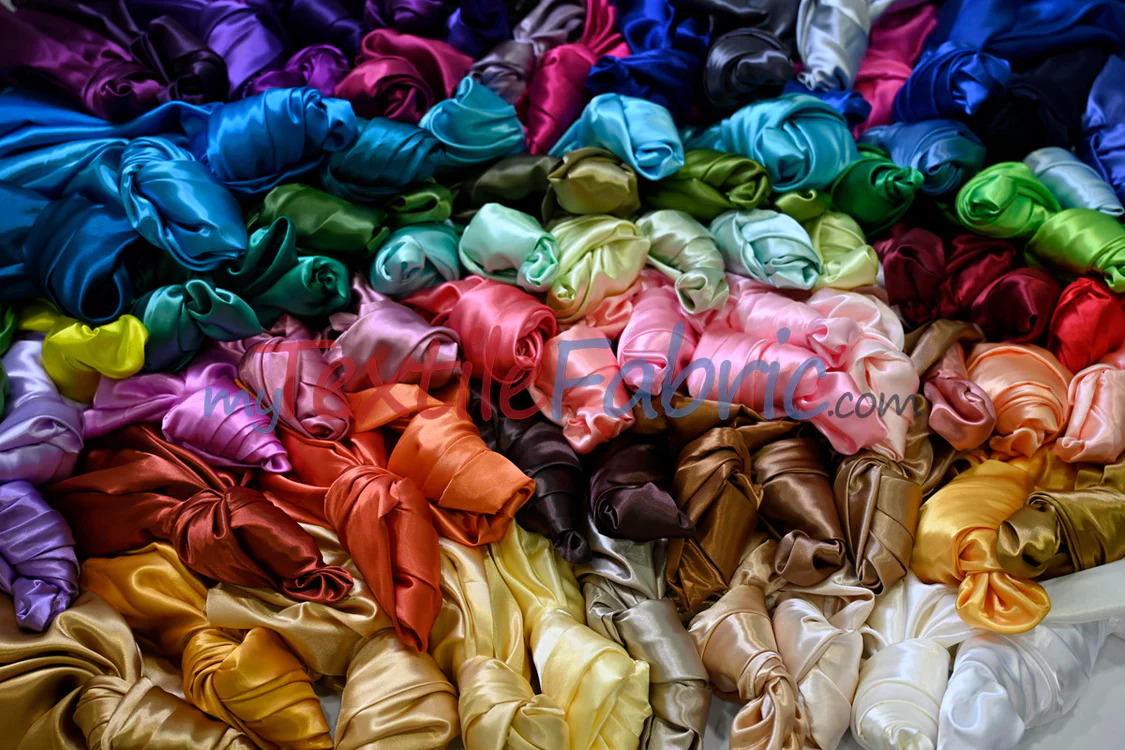
Charmeuse Satin Fabric _
The enhanced collection includes a wider selection of finishes, weights, and color variations within these three fabric categories.
LOS ANGELES, CA, UNITED STATES, December 29, 2025 /EINPresswire.com/ -- My Textile Fabric, a Los Angeles–based fabric vendor and distributor, has expanded its range of satin, velvet, and chiffon textiles in response to sustained demand from designers, event professionals, and manufacturers seeking consistent access to refined materials. The expansion reflects broader shifts in the U.S. textile market, where demand for specialty fabrics continues to grow across fashion, décor, and creative production sectors.The enhanced collection includes a wider selection of finishes, weights, and color variations within these three fabric categories. While satin, velvet, and chiffon have long held a place in textile design, their applications continue to evolve, extending beyond traditional apparel into event styling, interiors, stage production, and custom fabrication projects. The expanded range supports these varied uses while addressing practical considerations such as material consistency, availability, and supply continuity.
Continued Demand for Refined Textiles
Satin, velvet, and chiffon occupy a distinct position within the textile market due to their tactile qualities, visual appeal, and adaptability. Satin is valued for its smooth surface and light-reflective finish, velvet for its depth and texture, and chiffon for its lightweight, translucent structure. Together, these fabrics serve both aesthetic and functional roles across industries.
In recent years, the demand for these materials has been shaped by evolving design trends and diversified usage. Apparel designers continue to rely on them for formalwear, evening garments, and seasonal collections. At the same time, event planners and interior specialists increasingly incorporate these textiles into draping, backdrops, soft furnishings, and decorative installations. The expanded range is aligned with these ongoing shifts in usage patterns.
Satin: Versatility and Finish
Satin remains one of the most widely used fabrics in fashion and décor due to its versatility and visual smoothness. Available in various fiber compositions and weights, satin can be adapted for garments, linings, upholstery accents, and decorative applications. The expanded satin offerings reflect a focus on providing multiple finishes suitable for different project requirements.
Designers often consider factors such as drape, sheen, and durability when selecting satin. A broader selection allows buyers to evaluate these characteristics more precisely, supporting informed material choices. In addition, satin’s role in both structured and fluid designs makes availability across color ranges and fabric weights particularly relevant for designers working on coordinated collections or themed installations.
Velvet: Texture and Depth
Velvet continues to hold significance in both contemporary and traditional design contexts. Its dense pile and soft texture make it a preferred choice for applications that emphasize depth, contrast, and tactile richness. Beyond apparel, velvet is frequently used in upholstery, stage design, and seasonal décor, particularly in settings where visual impact is a priority.
The expansion of velvet offerings addresses practical considerations such as pile consistency, color saturation, and fabric weight. These factors influence performance across different uses, from garments that require movement and comfort to décor applications that prioritize structure and longevity. By offering a wider range, the collection supports varied technical and aesthetic requirements without limiting creative direction.
Chiffon: Lightness and Movement
Chiffon remains a staple fabric for designs that rely on lightness, translucency, and fluid movement. Often associated with layering, draping, and soft silhouettes, chiffon is used extensively in apparel, accessories, and decorative elements. Its applications extend to event styling, where it is commonly used for overlays, canopies, and accent drapery.
Expanding the chiffon range reflects ongoing interest in lightweight textiles that balance delicacy with functional performance. Variations in fiber composition and weave density allow chiffon to be adapted for both decorative and wearable uses. Greater availability supports projects that require uniformity across large installations or repeated design elements.
Responding to Industry Needs
The expansion of these fabric categories reflects changes in how materials are sourced and utilized. Many designers and project managers now require reliable access to consistent fabrics across multiple order cycles. This need is especially relevant for repeat production runs, coordinated event installations, or extended design timelines.
By broadening the range within established fabric categories, suppliers can better accommodate these requirements. Availability across yardage options, bolt quantities, and sample swatches supports flexibility in procurement, allowing buyers to scale orders according to project scope. This approach aligns with industry trends that emphasize efficiency and predictability in material sourcing.
Supply Chain Considerations
Textile availability is influenced by global supply chains, which involve multiple stages of production, transport, and distribution. Expanding core fabric categories such as satin, velvet, and chiffon can help mitigate disruptions by offering alternative options within similar material families.
In addition, diversified sourcing allows for greater adaptability when demand fluctuates or production schedules change. For end users, this translates into improved access to materials that meet both design and timeline requirements. From a distribution perspective, maintaining expanded inventories of frequently used fabrics supports more consistent order fulfillment.
Applications Across Multiple Sectors
The expanded fabric range supports a wide range of applications beyond traditional apparel design. In event production, these textiles are frequently used for stage backdrops, table linens, ceiling treatments, and decorative partitions. In interior settings, they contribute to soft furnishings, accent panels, and custom installations.
Film, theater, and photography industries also rely on these materials for set design and visual composition. The availability of consistent fabrics in varied colors and textures supports continuity across scenes, locations, or themed productions. The expansion reflects recognition of these cross-sector uses and the need for dependable material access.
Material Evaluation and Selection
In textile procurement, material evaluation remains a critical step. Factors such as texture, opacity, color accuracy, and drape are difficult to assess through digital listings alone. Expanded collections support more effective evaluation by providing greater choice at the sampling stage.
The ability to compare multiple options within the same fabric category allows designers to make more precise decisions. This process reduces uncertainty and supports better alignment between concept and execution. As design workflows become increasingly compressed, access to suitable materials at the right stage becomes a determining factor in project efficiency.
Market Outlook
The expansion of satin, velvet, and chiffon offerings reflects a broader trend within the textile industry toward specialization within established material categories. Rather than focusing solely on introducing new fabric types, suppliers are increasingly refining existing lines to better meet evolving demand.
This approach aligns with market conditions where designers seek both familiarity and flexibility. Established fabrics offer known performance characteristics, while expanded options within those categories provide room for adaptation and innovation. As demand for refined textiles remains steady across sectors, maintaining depth within core fabric lines continues to hold relevance.
Looking Ahead
The expanded range of satin, velvet, and chiffon represents a measured response to industry needs rather than a departure from established material foundations. By increasing availability and variation within these categories, the textile supply chain becomes better equipped to support diverse applications and evolving design practices.
As creative industries continue to intersect with manufacturing, event production, and interior design, access to dependable materials will remain a central consideration. The expansion underscores the importance of material continuity and adaptability in a market shaped by both tradition and change.
About My Textile Fabric
My Textile Fabric is a fabric vendor and distributor based in Los Angeles, California, serving designers, manufacturers, and creative professionals across the United States and internationally. The company sources textiles from multiple global regions and supplies a broad selection of materials for apparel, event design, interiors, and specialized applications. Its inventory includes a range of fabric types available by the yard, bolt, or sample, supporting varied project scales and procurement needs.
For media inquiries, please contact:
My Textile Fabric
https://mytextilefabric.com/
INFO@MYTEXTILEFABRIC.COM
Free 800-939-9266
Local 213-468-8388
Omid Yasharpour
My Textile Fabric
+1 800-939-9266
info@mytextilefabric.com
Visit us on social media:
LinkedIn
YouTube
Other
Legal Disclaimer:
EIN Presswire provides this news content "as is" without warranty of any kind. We do not accept any responsibility or liability for the accuracy, content, images, videos, licenses, completeness, legality, or reliability of the information contained in this article. If you have any complaints or copyright issues related to this article, kindly contact the author above.
